opdtab.futurios.in

START YOUR 30 DAY FREE TRIAL – All Features, Zero Cost – No Credit Card Required

Appointment scheduling

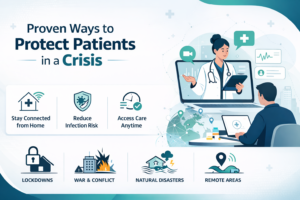
Proven Ways to Protect Patients in a Crisis

Virtual consulting has become an important part of modern healthcare. During pandemics, wars, natural disasters, and lockdowns, visiting a clinic may be difficult or even unsafe. In such situations, telemedicine allows patients to connect with doctors from their homes. Because of this, healthcare services can continue without interruption. Virtual consultations help patients receive medical advice, prescriptions, and follow-up care while reducing risks and travel challenges. As a result, both doctors and patients stay connected even during uncertain times. 1️⃣ Continuous Healthcare Access During Lockdowns During pandemics or strict lockdowns, many hospitals limit physical visits. Travel restrictions also prevent patients from reaching clinics easily. However, virtual consulting ensures that healthcare remains accessible. Patients can speak with doctors through video calls, phone consultations, or secure messaging. This allows medical guidance to continue without delays. As a result, patients can still receive treatment advice, medication updates, and health monitoring while staying safely at home. 2️⃣ Faster Medical Support During Disasters and Emergencies Natural disasters, conflicts, and humanitarian crises often disrupt healthcare infrastructure. Hospitals may become overcrowded, and transportation may stop working. In such situations, telemedicine helps doctors reach patients remotely. Virtual consulting allows medical professionals to guide patients, assess symptoms, and recommend treatment steps quickly. Therefore, even when healthcare facilities are under pressure, doctors can still support patients in different locations. 3️⃣ Reduced Risk of Infection Spread Pandemics often spread through close contact. Waiting rooms, crowded hospitals, and physical consultations can increase the risk of infection. Virtual consulting helps reduce this risk. Patients with mild symptoms can consult doctors online instead of visiting clinics. This reduces unnecessary exposure for both healthcare staff and other patients. Consequently, hospitals can focus on severe cases while maintaining safer environments. 4️⃣ Better Management of Chronic Patients Patients with chronic illnesses such as diabetes, heart conditions, or respiratory problems need regular monitoring. However, during crises they may avoid hospital visits due to safety concerns. Virtual consultations make follow-up care easier. Doctors can review patient reports, adjust medications, and provide guidance through digital platforms. Because of this, chronic patients continue receiving consistent care even during difficult situations. 5️⃣ Efficient Use of Healthcare Resources Healthcare systems often face high demand during pandemics or disasters. Hospitals must prioritize critical cases. Telemedicine helps manage this challenge effectively. Doctors can handle routine consultations online while reserving hospital resources for emergencies. This balanced approach improves efficiency and ensures that patients receive timely care. Conclusion Virtual consulting plays a crucial role during pandemics and global crises. It keeps healthcare accessible, reduces infection risks, and supports patients even when travel or hospital visits are difficult. By using telemedicine, clinics and healthcare providers can continue delivering safe, reliable, and uninterrupted care. As global challenges continue to evolve, digital healthcare solutions are becoming an essential part of modern medical services. Call to Action Looking to offer virtual consultations for your clinic? Discover how OPD management software can help you provide secure telemedicine, manage appointments efficiently, and stay connected with patients anytime, anywhere. Visit: https://opdtab.futurios.in/ to learn how technology can simplify your clinic workflow and enhance patient care.

Proven Ways to Protect Patients in a Crisis Read More »
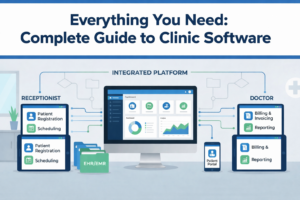
Everything You Need: Complete Guide to Clinic Software.

Modern clinics handle far more than patient consultations. Appointment scheduling, medical records, billing, staff coordination, and compliance all demand time and accuracy. Clinic management software is designed to bring these tasks together into one digital system, helping clinics operate smoothly and deliver better patient care. 1️⃣ What Is Clinic Management Software? Clinic management software is a digital platform that helps clinics manage their daily operations in one place. It centralizes appointments, patient records, prescriptions, billing, communication, and reports, replacing manual paperwork and disconnected tools. 2️⃣ Core Features of Clinic Management Software Most clinic management systems include appointment scheduling, electronic patient records, digital prescriptions, billing and payments, reports and analytics, role-based access, and communication tools such as SMS or email reminders. 3️⃣ How It Improves Clinic Operations By automating repetitive tasks, clinic software reduces errors, saves time, and improves coordination between staff and doctors. Reception desks become more organized, consultations become more informed, and billing becomes faster and more accurate. 4️⃣ Benefits for Doctors and Staff Doctors gain instant access to complete patient histories, enabling better diagnosis and continuity of care. Staff can manage appointments, billing, and follow-ups efficiently, reducing workload and stress during busy clinic hours. 5️⃣ Benefits for Patients Patients enjoy easier appointment booking, shorter waiting times, clear billing, digital prescriptions, and timely reminders. A smooth and professional experience builds trust and encourages long-term relationships with the clinic. 6️⃣ Is Clinic Management Software Right for Small Clinics? Yes. Even small and single-doctor clinics benefit from digitization. Clinic software helps small practices look professional, operate efficiently, and scale easily as patient volume grows. Conclusion Clinic management software is no longer a luxury—it’s a necessity for modern healthcare practices. By digitizing workflows and centralizing data, clinics can improve efficiency, enhance patient experience, and focus on delivering quality care. Call to Action Thinking of digitizing your clinic?Discover how our clinic management software helps clinics of all sizes work smarter, faster, and more securely.

Everything You Need: Complete Guide to Clinic Software. Read More »

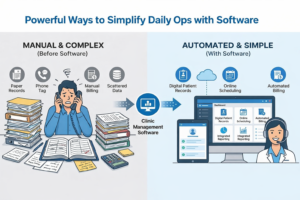
Powerful Ways to Simplify Daily Ops with Software

generate this image but replace the title with “How Smart Healthcare Technology Builds Trust and Better Patient Relationships”size: 1024 x 57216:9 ratio Running a clinic involves more than providing medical care. From scheduling appointments and managing patient records to billing, staff coordination, and compliance, daily operations can quickly become overwhelming. Clinic management software simplifies these tasks, allowing healthcare professionals to focus on what matters most: delivering high-quality patient care. 1️⃣ Streamlined Appointment Scheduling Smart scheduling features automate OPD appointments, handle check-ins, and manage no-shows efficiently. This reduces patient wait times, avoids overbooking, and ensures a smoother workflow for both doctors and staff. 2️⃣ Centralized Patient Records All patient information—medical history, prescriptions, test reports, and consultation notes—is stored in one secure system. Doctors can quickly access accurate data, enabling better decision-making and continuity of care. 3️⃣ Automated Billing & Payments Billing becomes faster and more accurate with automated invoices, multi-tax support, discounts, and GST calculations. Patients experience transparency while clinics maintain smooth cash flow and financial accountability. 4️⃣ Improved Staff Coordination Role-based access ensures doctors, receptionists, and admins see only what they need. This enhances accountability, minimizes mistakes, and ensures smooth daily operations. 5️⃣ Real-Time Analytics & Insights Dashboards provide real-time insights into appointments, revenue, patient trends, and staff performance. Clinics can make informed decisions to improve efficiency and growth strategies. Conclusion Clinic management software transforms how clinics operate by simplifying workflows, improving accuracy, and enhancing patient experience. Whether for small clinics or multi-specialty hospitals, it empowers staff and management to focus on delivering quality care. Ready to modernize your clinic operations?Discover how our all-in-one clinic management software can help you work smarter, faster, and more securely.

Powerful Ways to Simplify Daily Ops with Software Read More »

Shopping Cart
  • Your cart is empty.