opdtab.futurios.in

START YOUR 30 DAY FREE TRIAL – All Features, Zero Cost – No Credit Card Required

OPDTab

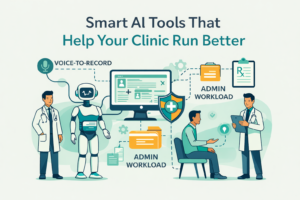
Smart AI Tools That Help Your Clinic Run Better

Healthcare is evolving fast, and technology is becoming an essential partner for doctors. Today, one of the most promising innovations in clinics is the use of AI medical assistants. These smart tools help doctors manage documentation, update records, and organize patient information with ease. As a result, doctors spend less time on paperwork and more time caring for patients. Moreover, AI-powered assistants improve accuracy and speed in clinical workflows. From voice-to-record systems to automated medical scribes, these tools are helping modern clinics run more smoothly and efficiently. 1️⃣ Faster Documentation with AI Medical Scribes AI medical scribes can automatically convert doctor–patient conversations into structured medical notes. Instead of typing during consultations, doctors can focus fully on their patients. As the discussion happens, the AI assistant listens and prepares clinical documentation in real time. This not only saves time but also ensures that patient records are updated quickly and accurately. 2️⃣ Voice-to-Record Technology for Easy Data Entry Voice-enabled systems allow doctors to dictate prescriptions, symptoms, and observations directly into the clinic software. The AI converts spoken words into organized digital records. Because of this, doctors no longer need to manually type long notes. The process becomes faster, smoother, and more natural during patient consultations. 3️⃣ Reduced Administrative Workload Doctors often spend a large portion of their day handling paperwork, updating records, and managing reports. AI medical assistants help automate many of these routine tasks. For example, AI can assist with documentation, appointment notes, prescription records, and data organization. Consequently, clinics become more efficient while doctors regain valuable time for patient care. 4️⃣ Improved Accuracy in Patient Records Manual documentation can sometimes lead to missing information or small errors. AI tools help reduce these issues by organizing data in a structured format. In addition, automated systems ensure that patient histories, prescriptions, and reports remain consistent and easy to access. This improves both clinical accuracy and overall patient trust. 5️⃣ Better Patient Interaction and Experience When doctors spend less time looking at screens, they can focus more on their patients. AI medical assistants quietly handle background tasks while consultations continue smoothly. As a result, patients feel heard and valued. Stronger communication leads to better treatment understanding and improved patient satisfaction. Conclusion AI medical assistants are transforming how modern clinics operate. By supporting doctors with documentation, voice-to-record technology, and automated workflows, these tools reduce administrative pressure and improve efficiency. More importantly, they allow doctors to focus on what matters most, providing quality care to patients. As healthcare continues to adopt digital solutions, AI assistants will become a key part of the future clinic environment. Call to Action Ready to make your clinic smarter and more efficient? Discover how OPDTab clinic management software can help streamline documentation, improve patient records, and support modern healthcare workflows. Start building a smarter, AI-enabled clinic today. Visit: https://opdtab.futurios.in/ to learn how technology can simplify your clinic workflow and enhance patient care.

Smart AI Tools That Help Your Clinic Run Better Read More »
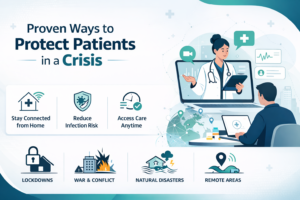
Proven Ways to Protect Patients in a Crisis

Virtual consulting has become an important part of modern healthcare. During pandemics, wars, natural disasters, and lockdowns, visiting a clinic may be difficult or even unsafe. In such situations, telemedicine allows patients to connect with doctors from their homes. Because of this, healthcare services can continue without interruption. Virtual consultations help patients receive medical advice, prescriptions, and follow-up care while reducing risks and travel challenges. As a result, both doctors and patients stay connected even during uncertain times. 1️⃣ Continuous Healthcare Access During Lockdowns During pandemics or strict lockdowns, many hospitals limit physical visits. Travel restrictions also prevent patients from reaching clinics easily. However, virtual consulting ensures that healthcare remains accessible. Patients can speak with doctors through video calls, phone consultations, or secure messaging. This allows medical guidance to continue without delays. As a result, patients can still receive treatment advice, medication updates, and health monitoring while staying safely at home. 2️⃣ Faster Medical Support During Disasters and Emergencies Natural disasters, conflicts, and humanitarian crises often disrupt healthcare infrastructure. Hospitals may become overcrowded, and transportation may stop working. In such situations, telemedicine helps doctors reach patients remotely. Virtual consulting allows medical professionals to guide patients, assess symptoms, and recommend treatment steps quickly. Therefore, even when healthcare facilities are under pressure, doctors can still support patients in different locations. 3️⃣ Reduced Risk of Infection Spread Pandemics often spread through close contact. Waiting rooms, crowded hospitals, and physical consultations can increase the risk of infection. Virtual consulting helps reduce this risk. Patients with mild symptoms can consult doctors online instead of visiting clinics. This reduces unnecessary exposure for both healthcare staff and other patients. Consequently, hospitals can focus on severe cases while maintaining safer environments. 4️⃣ Better Management of Chronic Patients Patients with chronic illnesses such as diabetes, heart conditions, or respiratory problems need regular monitoring. However, during crises they may avoid hospital visits due to safety concerns. Virtual consultations make follow-up care easier. Doctors can review patient reports, adjust medications, and provide guidance through digital platforms. Because of this, chronic patients continue receiving consistent care even during difficult situations. 5️⃣ Efficient Use of Healthcare Resources Healthcare systems often face high demand during pandemics or disasters. Hospitals must prioritize critical cases. Telemedicine helps manage this challenge effectively. Doctors can handle routine consultations online while reserving hospital resources for emergencies. This balanced approach improves efficiency and ensures that patients receive timely care. Conclusion Virtual consulting plays a crucial role during pandemics and global crises. It keeps healthcare accessible, reduces infection risks, and supports patients even when travel or hospital visits are difficult. By using telemedicine, clinics and healthcare providers can continue delivering safe, reliable, and uninterrupted care. As global challenges continue to evolve, digital healthcare solutions are becoming an essential part of modern medical services. Call to Action Looking to offer virtual consultations for your clinic? Discover how OPD management software can help you provide secure telemedicine, manage appointments efficiently, and stay connected with patients anytime, anywhere. Visit: https://opdtab.futurios.in/ to learn how technology can simplify your clinic workflow and enhance patient care.

Proven Ways to Protect Patients in a Crisis Read More »

How AI Prescriptions Help Patients Get Better

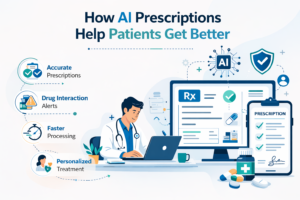
AI is transforming modern healthcare, and AI digital prescriptions are becoming an important part of this change. In the past, handwritten prescriptions often caused confusion because of unclear handwriting or missing details. However, AI-powered digital systems are now helping doctors create accurate prescriptions quickly. As a result, clinics can reduce medication errors, improve patient safety, and deliver smarter healthcare services. 1️⃣ Improved Accuracy in Prescriptions AI-powered prescription systems help doctors select the correct medicines quickly. The system can automatically check drug names, dosage, and treatment guidelines. As a result, the chances of prescribing the wrong medication are greatly reduced. Doctors can focus more on patient care while the system helps ensure accuracy. 2️⃣ Automatic Drug Interaction Alerts Sometimes patients take multiple medications. Certain drug combinations can cause harmful reactions. AI systems can instantly analyze a patient’s prescription and medical history. If a dangerous drug interaction is detected, the system alerts the doctor immediately. This extra safety layer helps prevent serious medication errors. 3️⃣ Faster Prescription Processing Traditional prescriptions often require manual entry at pharmacies. This process takes time and may lead to mistakes. With digital prescriptions, the doctor sends the prescription directly to the pharmacy or patient system. AI helps organize the information clearly and correctly. As a result, patients receive their medicines faster and with fewer delays. 4️⃣ Personalized Treatment Recommendations AI can analyze patient records, past treatments, and health conditions. Based on this data, the system may suggest better medication options. For example, it can recommend alternative medicines if a patient has allergies or existing health risks. This helps doctors make better treatment decisions and provide more personalized care. 5️⃣ Better Prescription Tracking and Monitoring Digital prescription systems allow clinics to track medications easily. Doctors can review previous prescriptions, refill history, and treatment outcomes. This helps identify patterns such as overuse, missed medications, or treatment inefficiency. As a result, doctors can adjust treatments quickly when needed. 6️⃣ Secure and Transparent Prescription Records Security is a major concern in healthcare. AI-enabled digital prescription systems use secure databases and role-based access controls. This means only authorized staff can view or update prescription data. Patients also benefit because their medication records remain organized and easy to access. Secure systems build trust between patients, doctors, and clinics. Conclusion The integration of AI into digital prescriptions is transforming healthcare. It improves accuracy, reduces medication errors, and speeds up treatment processes. At the same time, it allows doctors to make better clinical decisions with the help of data and intelligent alerts. As healthcare continues to evolve, AI-driven prescription systems will play a key role in delivering safer, faster, and more reliable care for patients. Call to Action Ready to modernize your clinic with smarter digital prescriptions? Discover how OPDTab Clinic Management Software can help your clinic generate accurate digital prescriptions, reduce errors, and improve patient safety. Visit: https://opdtab.futurios.in/ to learn how technology can simplify your clinic workflow and enhance patient care.

How AI Prescriptions Help Patients Get Better Read More »

Everything You Need: Complete Guide to Clinic Software.

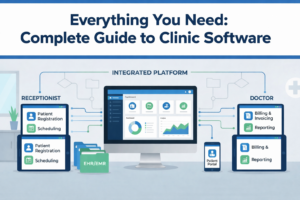
Modern clinics handle far more than patient consultations. Appointment scheduling, medical records, billing, staff coordination, and compliance all demand time and accuracy. Clinic management software is designed to bring these tasks together into one digital system, helping clinics operate smoothly and deliver better patient care. 1️⃣ What Is Clinic Management Software? Clinic management software is a digital platform that helps clinics manage their daily operations in one place. It centralizes appointments, patient records, prescriptions, billing, communication, and reports, replacing manual paperwork and disconnected tools. 2️⃣ Core Features of Clinic Management Software Most clinic management systems include appointment scheduling, electronic patient records, digital prescriptions, billing and payments, reports and analytics, role-based access, and communication tools such as SMS or email reminders. 3️⃣ How It Improves Clinic Operations By automating repetitive tasks, clinic software reduces errors, saves time, and improves coordination between staff and doctors. Reception desks become more organized, consultations become more informed, and billing becomes faster and more accurate. 4️⃣ Benefits for Doctors and Staff Doctors gain instant access to complete patient histories, enabling better diagnosis and continuity of care. Staff can manage appointments, billing, and follow-ups efficiently, reducing workload and stress during busy clinic hours. 5️⃣ Benefits for Patients Patients enjoy easier appointment booking, shorter waiting times, clear billing, digital prescriptions, and timely reminders. A smooth and professional experience builds trust and encourages long-term relationships with the clinic. 6️⃣ Is Clinic Management Software Right for Small Clinics? Yes. Even small and single-doctor clinics benefit from digitization. Clinic software helps small practices look professional, operate efficiently, and scale easily as patient volume grows. Conclusion Clinic management software is no longer a luxury—it’s a necessity for modern healthcare practices. By digitizing workflows and centralizing data, clinics can improve efficiency, enhance patient experience, and focus on delivering quality care. Call to Action Thinking of digitizing your clinic?Discover how our clinic management software helps clinics of all sizes work smarter, faster, and more securely.

Everything You Need: Complete Guide to Clinic Software. Read More »

Right Clinic Management Software

How to Choose the Right Clinic Management Software

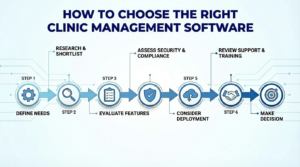
Choosing the right clinic management software is a critical decision that impacts daily operations, patient experience, and long-term growth. With many options available, clinics must look beyond basic features and focus on usability, security, and scalability to make the right choice. 1️⃣ Understand Your Clinic’s Requirements Every clinic is different. A solo practitioner may need simple appointment scheduling, while a multi-specialty clinic requires advanced billing, analytics, and role-based access. Start by listing your current challenges and future goals. 2️⃣ Look for an All-in-One Solution The best clinic management software connects appointments, patient records, prescriptions, billing, reports, and communication in one platform. Avoid systems that rely heavily on third-party tools or manual workarounds. 3️⃣ Prioritize Ease of Use Software should simplify work, not add complexity. An intuitive interface, minimal training time, and smooth workflows help doctors and staff adopt the system quickly without disrupting daily operations. 4️⃣ Ensure Data Security & Compliance Patient data is sensitive. Choose software with strong security features such as encrypted records, role-based access, audit logs, and compliance with healthcare data privacy standards to protect both patients and the clinic. 5️⃣ Evaluate Reporting & Analytics Access to real-time dashboards and reports helps clinic owners track appointments, revenue, staff performance, and growth trends. Data-driven insights enable smarter business decisions. 6️⃣ Check Scalability & Support As your clinic grows, your software should grow with you. Ensure the system supports multiple doctors, locations, and services. Reliable customer support and onboarding assistance are equally important. Conclusion The right clinic management software should align with your clinic’s workflow, enhance patient experience, and support long-term growth. By focusing on usability, security, and scalability, clinics can make a confident and future-ready choice. Call to Action Ready to select the right software for your clinic?Explore how our all-in-one clinic management solution simplifies operations, secures patient data, and helps clinics scale effortlessly.

How to Choose the Right Clinic Management Software Read More »

How Smart Healthcare Technology Builds Trust and Better Patient Relationships

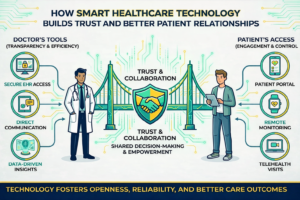
Trust is the foundation of every successful doctor–patient relationship. When patients feel heard, informed, and cared for, they are more likely to follow treatments and return for future care. Technology plays a vital role in strengthening this trust by improving communication, accuracy, and transparency across the healthcare journey. 1️⃣ Transparent Access to Patient Information Clinic management software ensures accurate and up-to-date patient records. When doctors have complete medical histories, reports, and prescriptions at their fingertips, patients gain confidence that their care is informed and consistent. 2️⃣ Clear Communication & Follow-Ups Automated reminders, digital prescriptions, and follow-up messages help patients stay informed about appointments, medications, and next steps. Clear, timely communication reduces confusion and reassures patients that their care is well managed. 3️⃣ Reduced Errors Through Digital Processes Manual paperwork can lead to mistakes and miscommunication. Digital workflows minimize errors in prescriptions, billing, and records, helping patients trust the accuracy and professionalism of the clinic. 4️⃣ Convenience That Builds Confidence Online appointment booking, shorter waiting times, and e-consultation options show patients that their time matters. Convenience enhances satisfaction and strengthens trust in the clinic’s commitment to patient care. 5️⃣ Secure Handling of Patient Data Strong data security, role-based access, and audit logs ensure sensitive medical information is protected. When patients know their data is secure, trust in both the doctor and the clinic grows. Conclusion Technology bridges the gap between doctors and patients by enabling transparency, reliability, and consistent care. By adopting the right digital tools, clinics can build lasting trust, improve patient satisfaction, and foster long-term relationships. Call to Action Looking to strengthen trust with your patients?Discover how our clinic management software helps you deliver transparent, secure, and patient-centric care.

How Smart Healthcare Technology Builds Trust and Better Patient Relationships Read More »

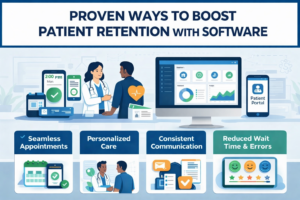
Proven Ways to Boost Patient Retention with Software

Patient retention is just as important as attracting new patients. Clinics that deliver consistent, convenient, and personalized experiences are more likely to retain patients over time. Clinic management software plays a key role in strengthening patient relationships by improving communication, care continuity, and overall experience. 1️⃣ Seamless Appointment Experience Easy online booking, automated reminders, and smooth check-ins reduce friction for patients. When scheduling and visits are hassle-free, patients are more likely to return and recommend the clinic to others. 2️⃣ Personalized Patient Care Clinic software stores detailed patient histories, preferences, and visit records. Doctors can offer personalized treatment plans and follow-ups, making patients feel valued and understood. 3️⃣ Consistent Communication & Follow-Ups Automated SMS, email, or WhatsApp reminders for follow-ups, medications, and test reports keep patients engaged even after their visit. Regular communication builds trust and encourages long-term relationships. 4️⃣ Reduced Waiting Time & Errors Digital workflows minimize manual errors and delays at reception, billing, and consultations. Faster service and accurate records improve patient satisfaction and reduce frustration. 5️⃣ Better Feedback & Engagement Clinic software makes it easier to collect patient feedback and track satisfaction trends. Clinics can address concerns proactively and continuously improve service quality. Conclusion Patient retention depends on trust, convenience, and quality care. By using clinic management software, clinics can create smoother experiences, strengthen patient relationships, and encourage repeat visits—resulting in sustainable growth and loyal patients. Call to Action Want to keep your patients coming back?Discover how our clinic management software helps you deliver personalized care, improve engagement, and build long-term patient loyalty.

Proven Ways to Boost Patient Retention with Software Read More »

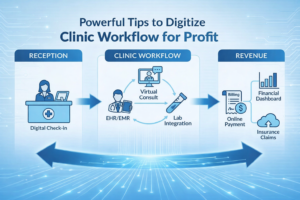
Powerful Tips to Digitize Clinic Workflow for Profit

A clinic’s success depends on how smoothly its daily operations run—from the first patient interaction at reception to accurate billing and revenue tracking. When workflows are fragmented or manual, clinics lose time, money, and patient trust. Digitizing the entire clinic workflow brings every function onto one connected platform, ensuring efficiency, transparency, and better patient care. 1️⃣ Smart Reception & Appointment Management The patient journey begins at reception. Digital appointment scheduling, automated check-ins, and no-show management remove chaos from front-desk operations. Staff can manage bookings in real time while patients enjoy faster, more organized visits. 2️⃣ Centralized Patient Records Digitization ensures all patient data—medical history, prescriptions, lab reports, and consultation notes—are stored securely in one place. Doctors gain instant access to accurate information, improving diagnosis, treatment continuity, and overall patient outcomes. 3️⃣ Digital Prescriptions & Consultations With e-prescriptions and e-consultation tools, clinics can deliver care beyond physical visits. Branded digital prescriptions, video consultations, reminders, and follow-up notes create a seamless experience for both doctors and patients. 4️⃣ Automated Billing & Payments Manual billing is prone to errors and delays. A digital workflow automates invoices, GST calculations, discounts, and payment tracking. Clinics gain faster collections, financial transparency, and improved cash flow—all with minimal administrative effort. 5️⃣ Revenue Tracking & Business Insights From daily collections to long-term revenue trends, real-time analytics give clinic owners full visibility into performance. Dashboards highlight appointment volume, specialty-wise income, staff efficiency, and growth opportunities, enabling smarter business decisions. Conclusion Digitizing your clinic workflow transforms disconnected tasks into one smooth, end-to-end system. From reception to revenue, every step becomes faster, more accurate, and easier to manage—allowing clinics to grow sustainably while delivering exceptional patient care. Call to Action Ready to digitize your clinic from start to finish?Discover how our all-in-one clinic management software helps you streamline workflows, improve patient experiences, and maximize revenue.

Powerful Tips to Digitize Clinic Workflow for Profit Read More »

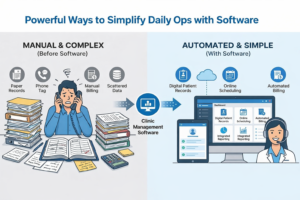
Powerful Ways to Simplify Daily Ops with Software

generate this image but replace the title with “How Smart Healthcare Technology Builds Trust and Better Patient Relationships”size: 1024 x 57216:9 ratio Running a clinic involves more than providing medical care. From scheduling appointments and managing patient records to billing, staff coordination, and compliance, daily operations can quickly become overwhelming. Clinic management software simplifies these tasks, allowing healthcare professionals to focus on what matters most: delivering high-quality patient care. 1️⃣ Streamlined Appointment Scheduling Smart scheduling features automate OPD appointments, handle check-ins, and manage no-shows efficiently. This reduces patient wait times, avoids overbooking, and ensures a smoother workflow for both doctors and staff. 2️⃣ Centralized Patient Records All patient information—medical history, prescriptions, test reports, and consultation notes—is stored in one secure system. Doctors can quickly access accurate data, enabling better decision-making and continuity of care. 3️⃣ Automated Billing & Payments Billing becomes faster and more accurate with automated invoices, multi-tax support, discounts, and GST calculations. Patients experience transparency while clinics maintain smooth cash flow and financial accountability. 4️⃣ Improved Staff Coordination Role-based access ensures doctors, receptionists, and admins see only what they need. This enhances accountability, minimizes mistakes, and ensures smooth daily operations. 5️⃣ Real-Time Analytics & Insights Dashboards provide real-time insights into appointments, revenue, patient trends, and staff performance. Clinics can make informed decisions to improve efficiency and growth strategies. Conclusion Clinic management software transforms how clinics operate by simplifying workflows, improving accuracy, and enhancing patient experience. Whether for small clinics or multi-specialty hospitals, it empowers staff and management to focus on delivering quality care. Ready to modernize your clinic operations?Discover how our all-in-one clinic management software can help you work smarter, faster, and more securely.

Powerful Ways to Simplify Daily Ops with Software Read More »

Shopping Cart
  • Your cart is empty.